
Dryness can make skin feel tight, dull, rough, and harder to care for. A dry skin barrier recovery routine gives your body a calmer, more intentional rhythm. It focuses on reducing avoidable irritation while restoring comfortable moisture habits. The best approach is usually simple enough to repeat for weeks. You do not need to introduce many products at once. Instead, notice which daily moments make your skin feel most uncomfortable. A intensive moisture layering plan can create a clearer order for body care. The goal is to support comfort without overwhelming sensitive areas. Persistent, painful, infected-looking, or rapidly changing skin deserves professional medical advice. Small, steady habits can make daily care feel much less demanding.
When skin feels compromised, adding too many new products can create more confusion. Begin with gentle cleansing and a product you can tolerate consistently. Keep water warm rather than very hot. Avoid harsh scrubbing, strong fragrance, and repeated exfoliation on tender areas. Give your routine enough time before judging it. The dry skin comfort strategy works best when each step has a clear purpose. Apply moisture after bathing while the skin still feels slightly damp. Wear fabrics that do not create unnecessary rubbing. Notice which changes actually improve comfort. Restraint makes it easier to understand what your skin needs.
Consistency depends on choosing moments you can repeat. Some people prefer moisturizing immediately after a shower. Others do better with a focused evening ritual. Keep products in the room where you naturally use them. A visible bottle can be more helpful than an elaborate plan. Use a calendar reminder until the behavior feels familiar. Short routines often survive busy weeks more easily. You can add a second application only when it feels practical. Consider how travel, exercise, and seasonal weather affect your skin. Timing should support your life, not compete with it. A routine that fits naturally is more likely to last.
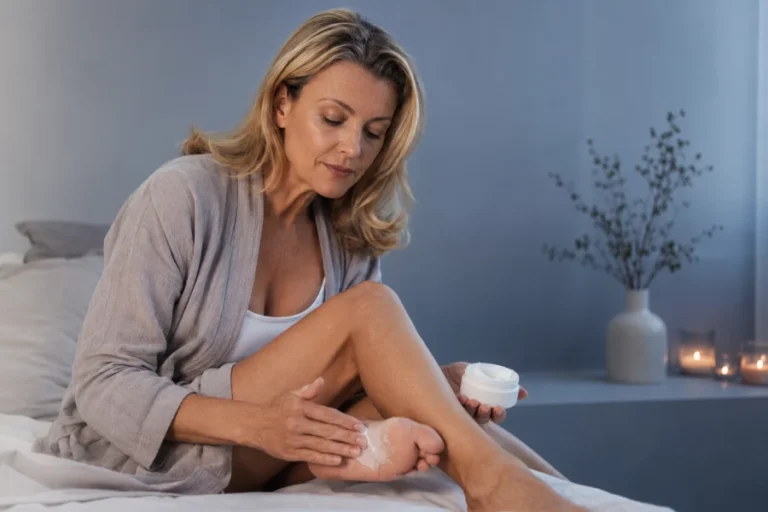
Rough texture can make even comfortable clothing feel irritating. Gentle moisture care may help skin feel more flexible over time. Apply product with clean hands and light pressure. Avoid picking at flakes or rubbing dry areas repeatedly. The skin-softening maintenance habit is easier when you focus on small areas consistently. Pay attention to feet, knees, elbows, hands, and shins. These spots often need different levels of attention. Give each application time to absorb before layering clothing. Track progress through comfort, not only appearance. Softer-feeling skin can make ordinary routines feel easier.
Recovery is easier when you notice what disrupts it. Very hot showers can leave skin feeling tighter afterward. Rough towels and tight clothing may increase friction. Frequent washing can affect hands, especially during colder months. Outdoor weather may make routine changes necessary. Carry a small cream when you know a demanding day is ahead. Protect skin from unnecessary exposure when practical. Choose breathable materials for areas that tend to feel uncomfortable. Keep cleaning and body care products uncomplicated when your skin feels sensitive. Preventing small setbacks can make your larger routine feel more effective.
Skin care does not need to become another demanding standard. Aim for habits that feel supportive and easy to restart. Let your skin’s comfort guide your next small adjustment. A rough texture recovery routine may include a simple product, gentler water temperature, and better timing. Dry skin barrier recovery routine choices work best when they remain realistic. Pause new products if you notice stinging or unexpected irritation. Ask a clinician for help with symptoms that are severe, persistent, or concerning. Leave room for seasons and lifestyle changes. Comfort is a meaningful result in its own right.



Leave a comment