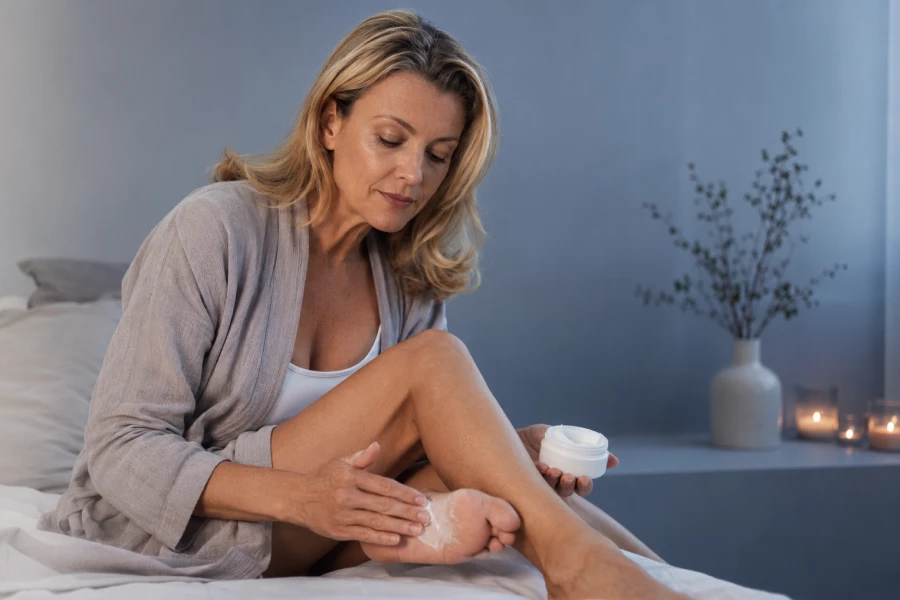
Severely dry skin can make ordinary moments feel uncomfortable and distracting. Urea cream for cracked skin is often considered when rough areas need more consistent moisture support. A thoughtful routine focuses on comfort, patience, and realistic expectations. It does not require a crowded shelf of products. Instead, it asks you to notice where dryness appears and what makes it worse. Evening can be an especially useful time for slower body care. A urea-based moisture routine can make that care feel more repeatable. Begin gently, especially if your skin feels sensitive or compromised. Comfort should be the priority at every step. For painful cracks, spreading redness, swelling, drainage, or other concerning changes, seek advice from a qualified clinician.
Dryness tends to improve through repeated care rather than one dramatic application. Start with clean skin that has been gently patted dry. Apply your chosen product according to its directions. Focus first on areas that feel rough, tight, or flaky. Give the cream time to settle before dressing. The cracked skin comfort plan works best when it fits your schedule. Consistency is usually more helpful than applying too much at once. Track how your skin responds over several days. Reduce frequency if irritation develops. A steady rhythm can feel more manageable than a complicated regimen.
Many dry areas become worse when cleansing feels too aggressive. Use lukewarm water instead of very hot water whenever possible. Keep showers brief if heat leaves your skin feeling tight. Choose a gentle cleanser for areas that need it. Avoid scrubbing cracked or tender patches with exfoliating tools. Pat skin dry rather than rubbing it hard with a towel. Apply moisturizer soon after bathing while skin still feels slightly damp. Soft fabrics can also make a difference during recovery. Notice whether certain soaps or laundry products cause extra discomfort. Small reductions in friction often support a calmer routine.
Your body may not need the same routine everywhere. Heels, elbows, knees, hands, and shins can each behave differently. Begin by identifying the spots that feel most uncomfortable. Consider how shoes, gloves, weather, and frequent washing affect them. The deep hydration skin support process can help you keep those factors visible. Apply a small amount first if you are trying a formula for the first time. Follow label directions and avoid using it on areas your clinician has advised against treating yourself. Give changes time before adding new products. Clear observations make it easier to choose what is worth repeating. Your routine becomes more personal with every careful adjustment.
Evening care works well because it allows more time before washing or friction. Keep your cream near pajamas, bedside items, or a familiar bathroom shelf. Apply it after your shower or before settling down. Cover hands or feet with soft breathable fabric only if that feels comfortable. Avoid tight coverings that trap too much heat or moisture. Make the ritual brief enough to continue on busy nights. A regular reminder can help until the habit becomes automatic. You are building comfort, not completing a complicated project. The simplest routine is often the one you maintain. Repetition gives gentle care its best chance to feel useful.
When skin begins to feel softer, it is tempting to stop every supportive habit. Instead, keep the parts of your routine that feel comfortable and realistic. Continue limiting harsh scrubs and very hot water. Carry a smaller moisturizer for frequent handwashing days. Check shoes and clothing for rough seams that create repeated pressure. The barrier-care evening ritual can help preserve those small improvements. Urea cream for cracked skin becomes more useful when it supports a gentle overall pattern. Do not ignore worsening pain, bleeding, or signs that might need medical attention. Adjust your routine when seasons or activities change. Sustainable care should feel supportive rather than strict.




Leave a comment